Virtual Honeypot Security Monitoring Lab
A virtualized cybersecurity lab that captures, logs, and analyzes real-world attack behavior using honeypot systems and SIEM monitoring tools.
System Architecture
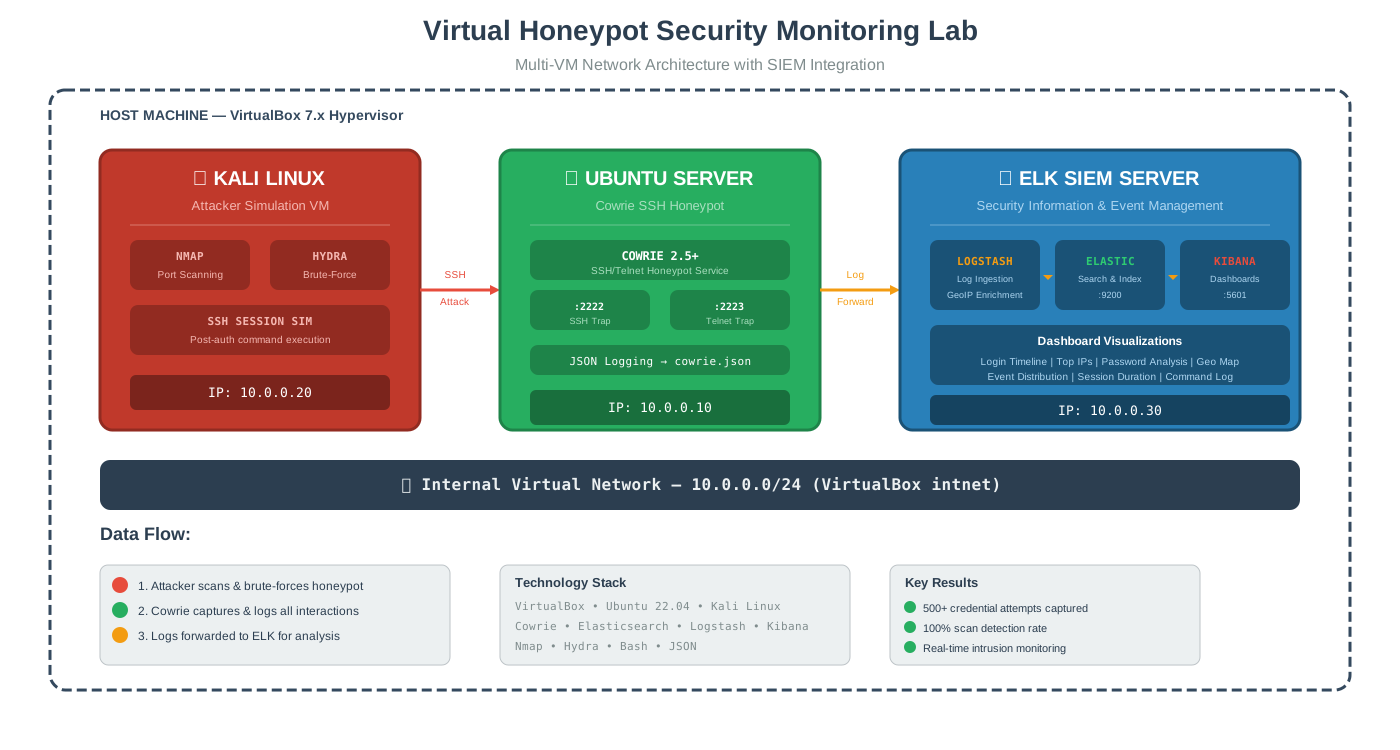
Kali Linux (Attacker)
Simulates real-world attack patterns using Nmap port scanning and Hydra brute-force tools against the honeypot.
IP: 10.0.0.20
Cowrie Honeypot
Medium-interaction SSH/Telnet honeypot that captures credentials, logs shell commands, and emulates a fake filesystem.
IP: 10.0.0.10 • Ports: 2222, 2223
ELK Stack (SIEM)
Elasticsearch, Logstash, and Kibana centralize log ingestion, indexing, and dashboard visualization of attack data.
IP: 10.0.0.30 • Kibana: :5601
About The Project
This project deploys a multi-VM security environment simulating an enterprise network using VirtualBox. SSH honeypot services collect intrusion attempts, and attack traffic is analyzed through centralized logging dashboards to identify attacker behavior patterns.
Implementation Steps
- VM Provisioning: Created three VirtualBox VMs (Kali, Ubuntu Server, ELK) connected via an isolated internal-only network (10.0.0.0/24).
- Honeypot Deployment: Installed Cowrie SSH honeypot on the Ubuntu VM with iptables port forwarding (22 → 2222) and JSON-formatted logging.
- SIEM Setup: Deployed the ELK Stack (Elasticsearch + Logstash + Kibana) with a custom Logstash pipeline for Cowrie log ingestion and GeoIP enrichment.
- Attack Simulation: Executed controlled reconnaissance (Nmap), brute-force (Hydra), and post-auth simulation scripts from the Kali VM.
- Analysis & Visualization: Built Kibana dashboards showing login timelines, top attacker IPs, most-attempted credentials, and event distributions.
Key Results
500+
Credential attempts captured per run
150+
Unique passwords attempted
100%
Nmap scan detection rate
< 30s
Avg. time to first attack
Key Observations
- Password Patterns: Attackers primarily use dictionary-based attacks, with
123456,password,admin, androotbeing the most attempted credentials. - Brute-Force Behavior: Automated tools follow predictable timing patterns with rapid sequential attempts.
- Scanning Fingerprints: Nmap SYN scans and service version detection are clearly identifiable in Cowrie logs.
- Session Behavior: Post-authentication, attackers attempt common commands (
uname -a,cat /etc/passwd,wget).